World Powers of Bible History

A decade has passed since King Nebuchadnezzar brought Daniel and the other “foremost men of the land of Judah into captivity in Babylon” ((2 Kings 24:15)

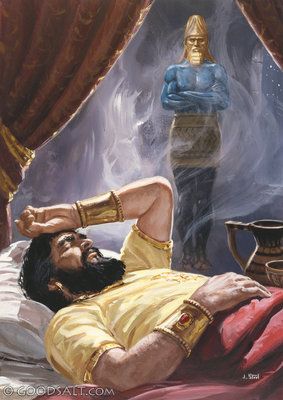
Nebuchadnezzar was agitated.

He had had a dream which distressed him so much he could not sleep. Naturally, he was anxious to know its meaning.

But the mighty king had forgotten the dream! So he summoned Babylon’s magicians, enchanters and sorcerers and demanded that they relate the dream and interpret it. The task was beyond them.

Their failure so infuriated Nebuchadnezzar that he issued a command “to destroy all the wise men of Babylon”.

Fortunately, a prophet of the true God came to their rescue!

“Daniel himself went in and asked from the king that he should give him time expressly to show the very interpretation to the king” (Dan 2: 15 – 23)

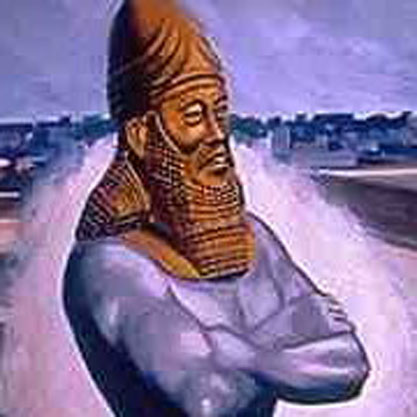
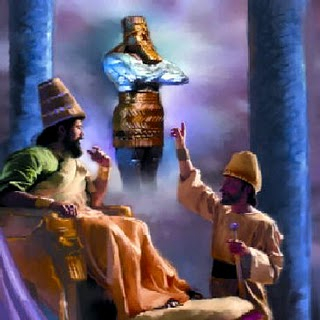
The interpretation involved “a certain immense image. That image was large and the brightness of which was extraordinary … and its appearance was dreadful” (Dan 2 : 31 – 35). It consisted of five different metals … each decreasing in value from head to foot.

The final stage consisted of iron and clay.

Daniel went on to explain that each of the metals represented a governmental power which would dominate the world scene.

“In the final part of the days” the feet of the image would be struck by a huge rock, representing the Kingdom of God … and world domination by the nations would end being replaced by good government from God himself (Dan 2:44).

Five of these world powers are featured in Nebuchadnezzar’s dream image : Babylon, Medo Persia, Greece, Rome and the Anglo – American World power.

But according to the Bible record, two other world powers had impacted God’s people previously … Egypt and Assyria.

The purpose of this section is to provided exhaustive DVD ROM collections, featuring ALL of the SEVEN WORLD POWERS of BIBLE HISTORY.

Each DVD ROM will feature a specific world power and will provide volumes of textual reference material from respected scholarly sources : PDF format (full color / searchable/printable).

In addition, each collection will feature interesting MULTI – MEDIA items : video, photographs, audiobooks, lectures, music and much more.

“WORLD POWERS OF BIBLE HISTORY” will greatly increase your Bible research resources and will hopefully provide much that will interest, inform and entertain you.

The material featured on the DVD ROMS available on this page is in the PUBLIC DOMAIN.

No DVD ROM Drive on your computer? CLICK HERE for a solution.

Egypt

Egypt is referred to over 700 times in the Bible.

In the Hebrew Scriptures, Egypt is often designated by the name Mizraim, evidently pointing to the prominence of the descendants of that son of Ham who settled in this region (Ge 10:6)

The Egyptians in the days of Joseph were favourably disposed towards the Israelites, but as their numbers increased, they cruelly oppressed them, eventually imposing conditions of slavery.

This situation existed for centuries until Jehovah provided deliverance through Moses.


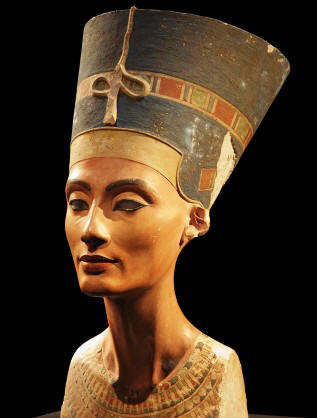
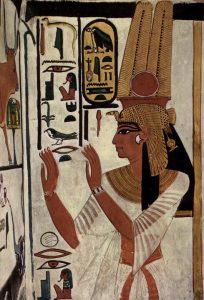
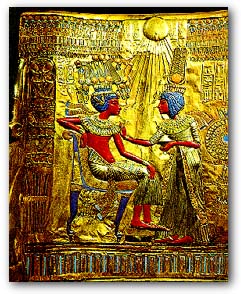
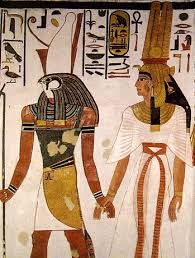
Nefertiti
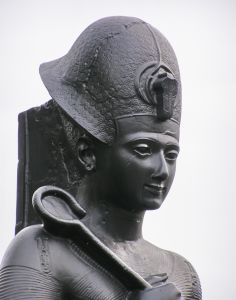
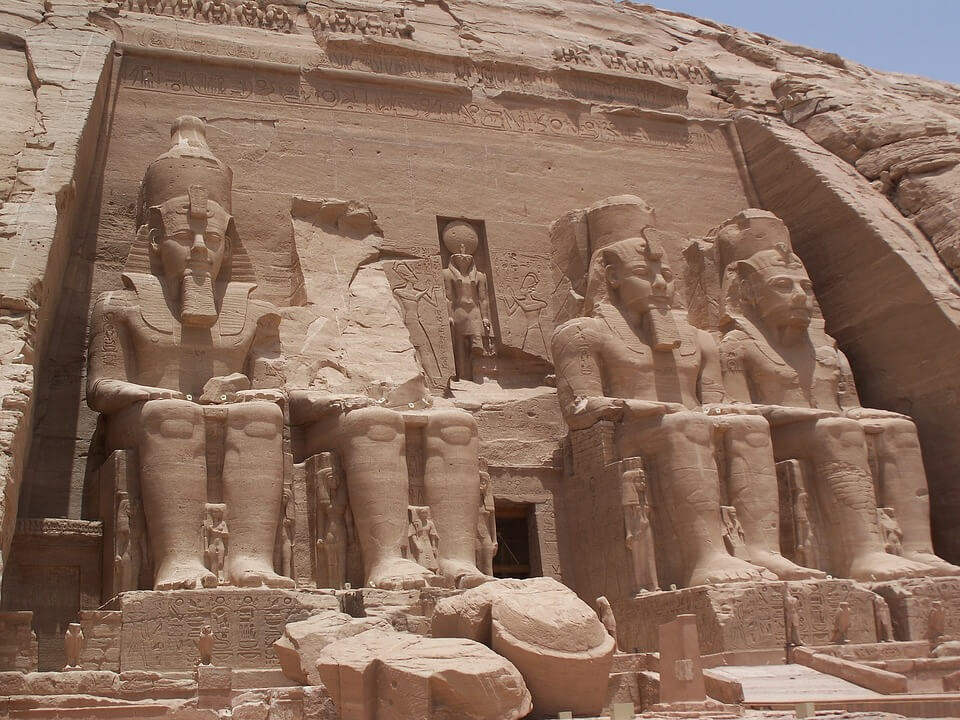
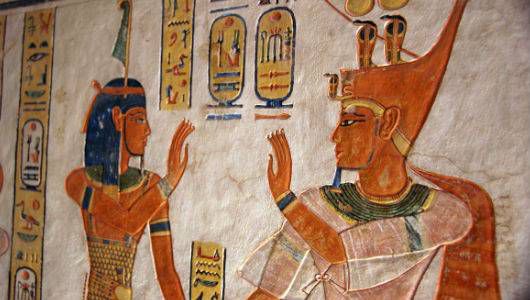
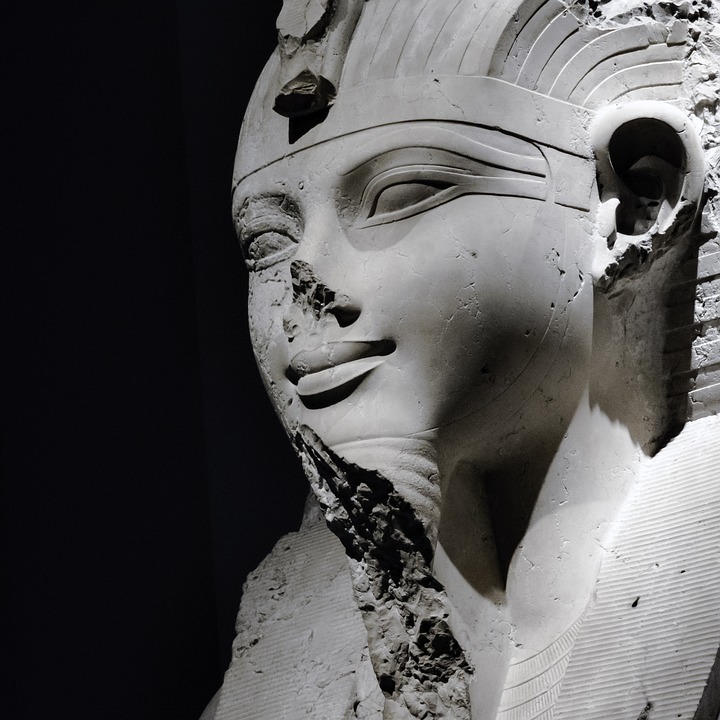
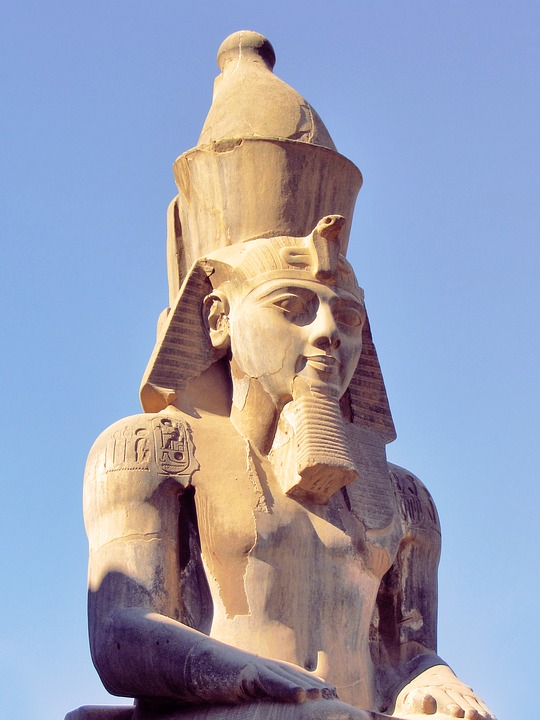
Rameses III

After the Exodus, hostilities continued.

For example, shortly after Solomon’s death, Pharaoh Shishak invaded Judah (993 BCE) with a mighty force of chariots, attacking Jerusalem and stripping the city of its treasures (2 Ch 12 : 1 – 12).

During later periods, the Judean Kings forgot about the previous centuries of aggression and hostility, forming unwise alliances with Egypt … which did nothing to delay Jehovah’s judgement upon them.

“WORLD POWERS OF BIBLE HISTORY : EGYPT “


… is a massive DVD ROM collection (computer use only) featuring
the following resources:


100 Major Reference Works

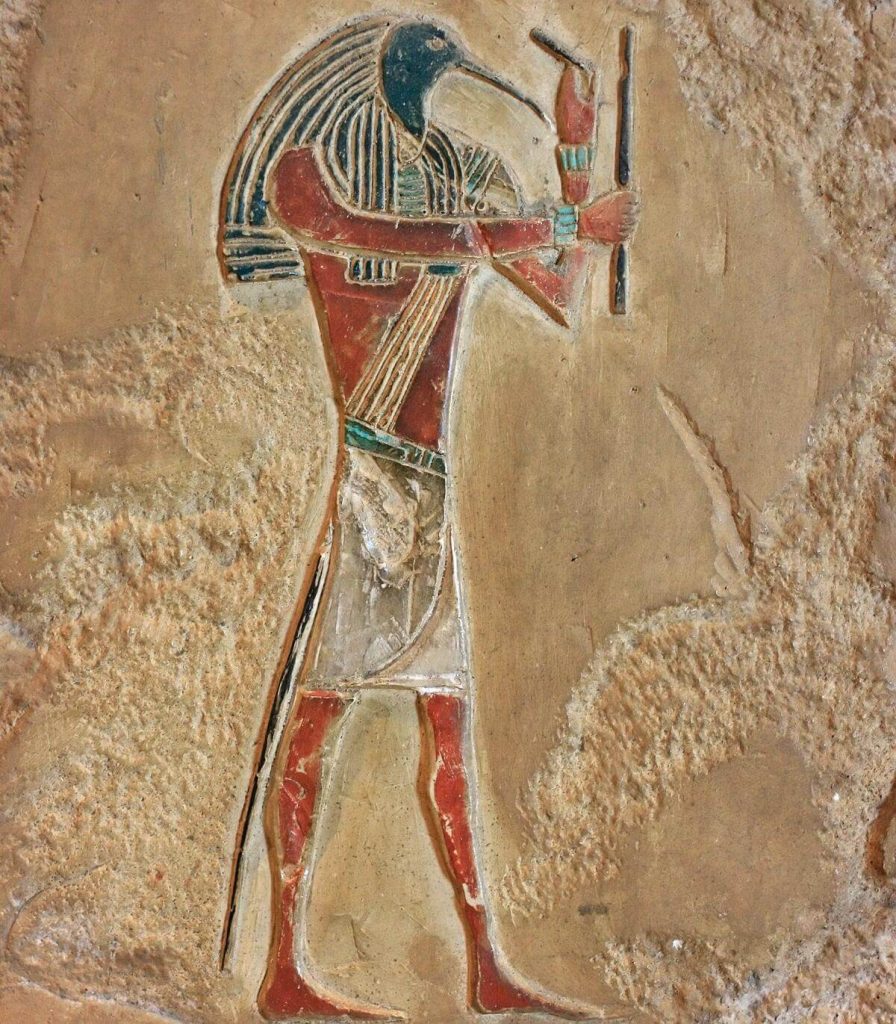
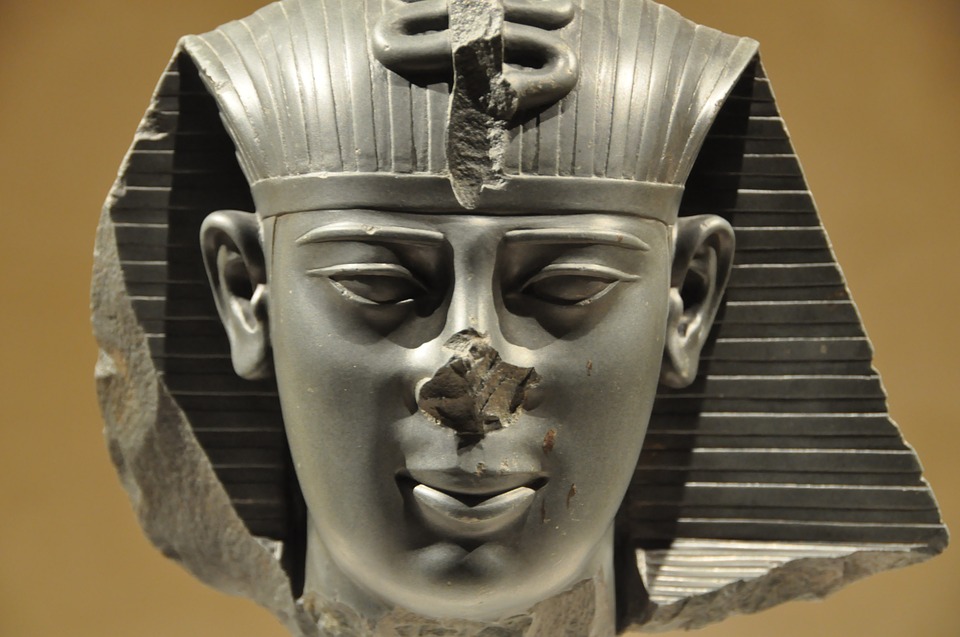
Thoth

Part 1 : “The History of an Empire”

– “A History of Egyption people” – E A Budge
– “Ancient and Modern Egypt” – Michael Russell
– “Ancient Egypt – An Outline of its History” – John Dawson
– “The History of Ancient Egypt” – Flinders Petrie
– “Ancient Egypt” – George Rawlingson
– “Ancient Egypt – In the Shadow of the Pyramid – David Walsden
– “The World of Ancient Egypt” – James Baikie
– “Discovering Ancient Egypt” – Richard Mayde
– “Exploring Ancient Egypt” – The British School of Archaeology
– “Ancient Egypt” – The Trustees of the Cairo Museum
– “Understanding Ancient Egypt” – Laura Collins
– “Egypt” – Robert Talbot
– “Egypt- Ancient Sites and Modern Scenes” – Gaston Maspero
– “Egypt as We Knew It” – E.L Butcher
– “Egypt of the Egyptians” – W.L Balls
– “Egyptian Antiquities of the British Museum” – George Long
– “Handbook of the Egyptian Rooms” – New York Musuem of Art
– “The History of the Egyptians” – Edward Farr
– “Life in Ancient Egypt” – Gaston Maspero
– “New Light on Ancient Egypt – Gaston Maspero
– “Outlines of Ancient Egyptian History” – Auguste Mariette
– “Popular Stories of Ancient Egypt – Gaston Maspero
– “The Civilization of the Ancient Egyptians” – A Bothwell Gosse
– “The Manners & Customs of the Ancient Egyptians – John Wilkinson
– “The Treasury of Ancient Egypt – Arthur Weigall

Part 2 : “Religion, Worship and War” 

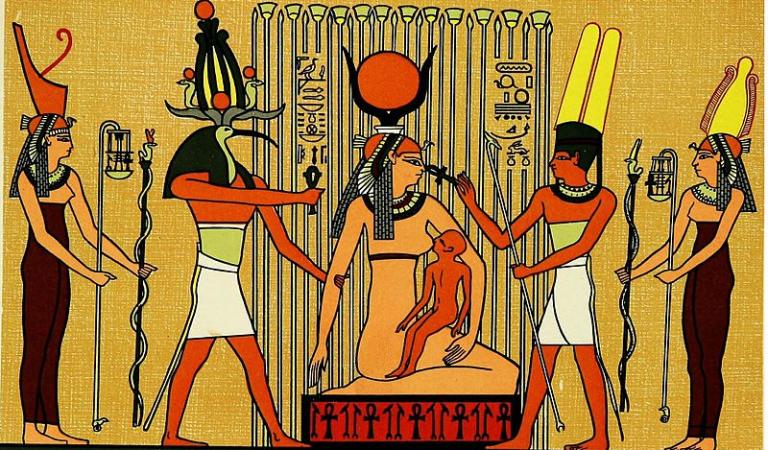
Mother & Child Worship in Ancient Egypt

– “Egypt – A Testimony to the Truth of the Bible” – William Osburn
– “Egypt – a Witness for the Bible” – Francis Hawks
– “Egypt in Relation to Bible History – John Dawson
– “The Handwriting of God in Egypt – David Randall
– “Legends of Egypt in relation to Hebrew tradition – L W King
– “The Story of the Exodus – Heinrich Brugsch
– “Explorations in Bible Lands – Frank DeHass
– “The Land of Goshen and the Exodus” – Robert Brown
– “Biblical Researches in Egypt” – Edward Robinson
– “Egypt and the Books of Moses” – Ernst Hengstenberg
– “The Desert of the Exodus” – Edward Palmer
– “Israel in Egypt” – Edward Clark
– “Egypt in the Old Testament” – Victor Trumper
– “Egyptian Mythology and Modern Christendom” – Samuel Sharp
– “The Egyptian Doctrine of the Immortal Soul” – Alfred Wiedemann
– “The Religion of Ancient Egypt” – W M Flinders Petrie
– “Egyptian and Mesopotamian Religions” – C P Tiele
– “Religion and Conscience in Ancient Egypt” – W M Flinders Petrie
– “The Faith of Ancient Egypt” – Sidney Coryn
– “The Development of Religion in Ancient Egypt” – James Breasted
– “The History of the Religion of the Egyptians” – George Smith
– “The Religion of the Ancient Egyptians – Georg Steindorff
– “Origin and Growth of Religion in Ancient Egypt” – P Le Page Renouf
– “Egyptian Religion” – J C Hinrichs
– “Paganism and Christianity in Egypt” – Philip David Scott-Moncrieff

Part 3: “Art, Culture & Technology”

– “Egyptian Art” – Warren Dawson
– “Egyptian Decorative Art” – W M Petrie
– “Arts and Crafts of Ancient Egypt” – W M Petrie
– “Egyptian Art – Gaston Maspero
– “Ancient Egyptian Costumes & Decorations – Mary Houston
– “Egyptian Literature” – William Hudson
– “The Literature of the Ancient Egyptians – E A Wallis
– “Popular Literature in Ancient Egypt”- Alfred Wiedemann
– “Understanding Hieroglyphs – F Griffith
– “Comparison of Egyptian Symbols with those of the Hebrews – John Simons
– “Light from Egyptian Papyri on Jewish History – Charles Wright
– “Ancient Egypt – Its Monuments and History – Jon White
– “The Egyptian Obelisks – William Cooper
– “The Architecture of Ancient Egypt – Edward Bell
– “Monuments of Ancient Egypt and their Relation to the Bible” – Philip Gosse
– “Egyptian Sculptures in the British Museum” – E Wallis Budge
– “A Guide to the Egyptian Galleries of the British Museum” – E A Budge
– “The Egyptian Pyramids” – Everett Fish
– “Tombs of Ancient Egypt” – W L Nash
– “Tools and Weapons of the Egyptians” – W M Petrie
– “Ancient Egyptian Ships” – William Franklin
– “Egyptian Archaeology” – Gaston Maspero
– “Biblical Chronology & Egyptian Archaeology” – G.Sayffarth
– “Egyptian Birds – Charles Whymper
– “Travels in Egypt – Philip Schaff


Part 4 : “Pharaohs, Myths and Mysteries”

– “The Pharaohs and their People” – E.Berkley
– “Rameses the Great” – Ferdinand Lanoye
– “Egypt Under Rameses the Great” – Ernest Wallis Budge
– “The Land of the Pharaohs” – Samuel Manning
– “Ancient Egypt Under the Pharaohs (Vol 1) – John Kenrick
– “Ancient Egypt Under the Pharaohs (Vol 2) – John Kenrick
– “Pharaohs of the Bondage and the Exodus” – Charles Robinson
– “Egypt of the Pharaohs” – Foster Barham Zincke
– “The Egyptians in the Times of the Pharaohs” – John Wilkinson
– “Joseph in the Light of Egyptian Lore”- Henry Tomkins
– “Legends of Ancient Egypt” – Frank Brooksban
– “The Egyptian Heaven and Hell” – E A Budge
– “Rephaim – It’s Connection with Egyptian History” – Marie Corbaux
– “Myths & Mysteries of Egypt” – Gerald Massey
– “Ancient Egyptian Legends” – Margaret Alice Murray
– “The Serpent Myths of Ancient Egypt” – William Cooper
– “Egyptian Ideas of the Future Life” – Ernest Wallis Budge
– “Egypt and the Worship of the Dead” – John Garnier
– “The Egyptian Resurrection” – Ernest Wallis Budge
– “The Old Egyptian Faith” – Édouard Naville
– “Religions of Ancient Egypt” – Archibald Sayce
– “Egyptian Myth and Legend” – Donald Alexander Mackenzie
– “The Growth of Religious Ideas in Egypt” – Samuel Mercer
– “A Chronological History of Ancient Egypt” – Orlando Schmidt
– “The Gods of the Egyptians” – Ernest Wallis Budge

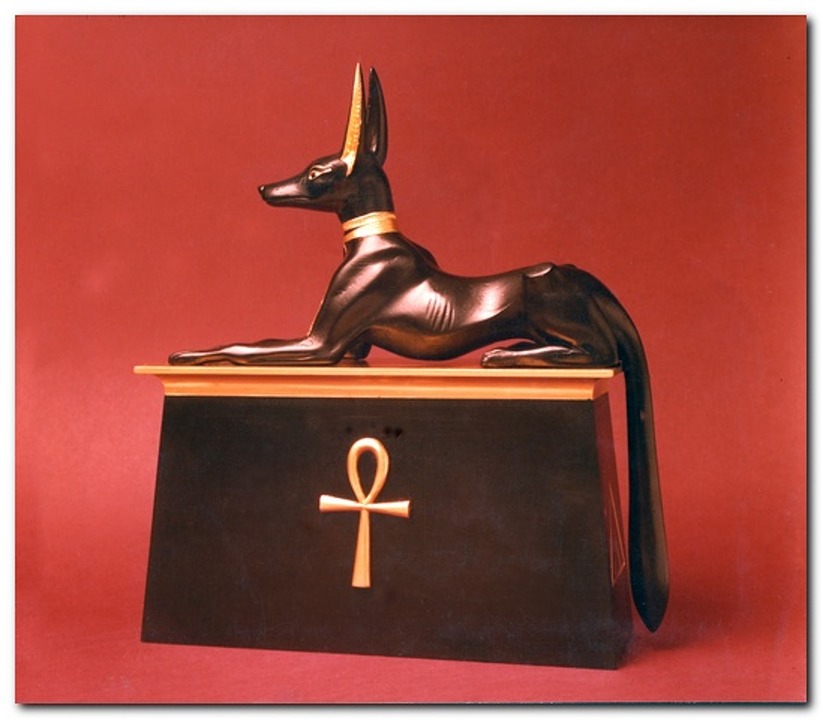
Anubis

Part 5 : Video (computer use only)


Over TWELVE HOURS of fascinating presentations and historical information regarding the history and importance of the ancient Egyptians and the effect they had on God’s people.

Part 6 : Pictures

Over 100 full colour (jpeg) high quality images featuring the history, geography, archaeology and rich heritage of Egypt.


Part 7 : Audio (MP3)

6 Hours of Audio Books, Lectures, Poetry Reading, Egyptian Music … and much more!

100 Major Reference Works (PDF), 12 Hours of Video &  Hours of Audio Presentations, Hundreds of Pictures and much more, providing you with an incredible digital resource on the history and importance of Egypt – the first World Empire of     Bible History  on One Huge Resource.               
 (DVD ROM – Computer Use Only).


Horus

World Powers of Bible History:  Egypt

100 Complete Volumes in PDF format. Over 4 GB of Material

$32 (+$8 Shipping – Worldwide)


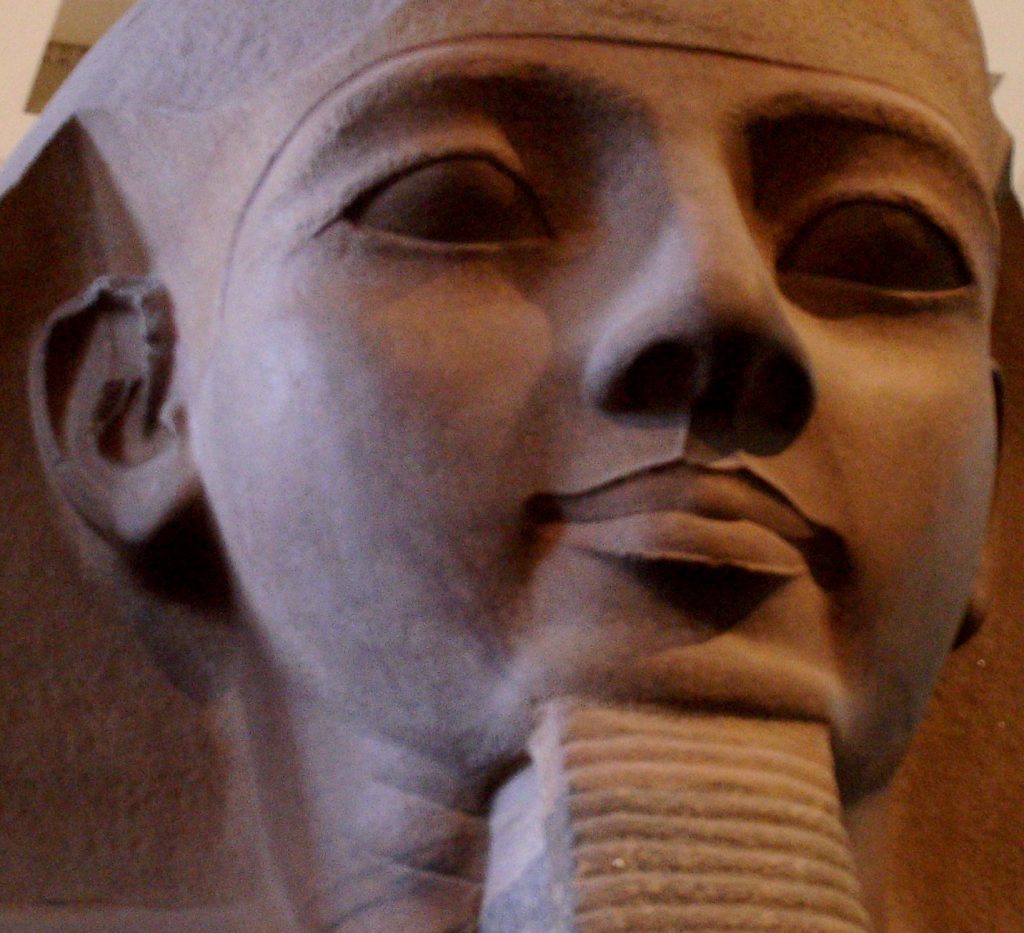
Rameses III
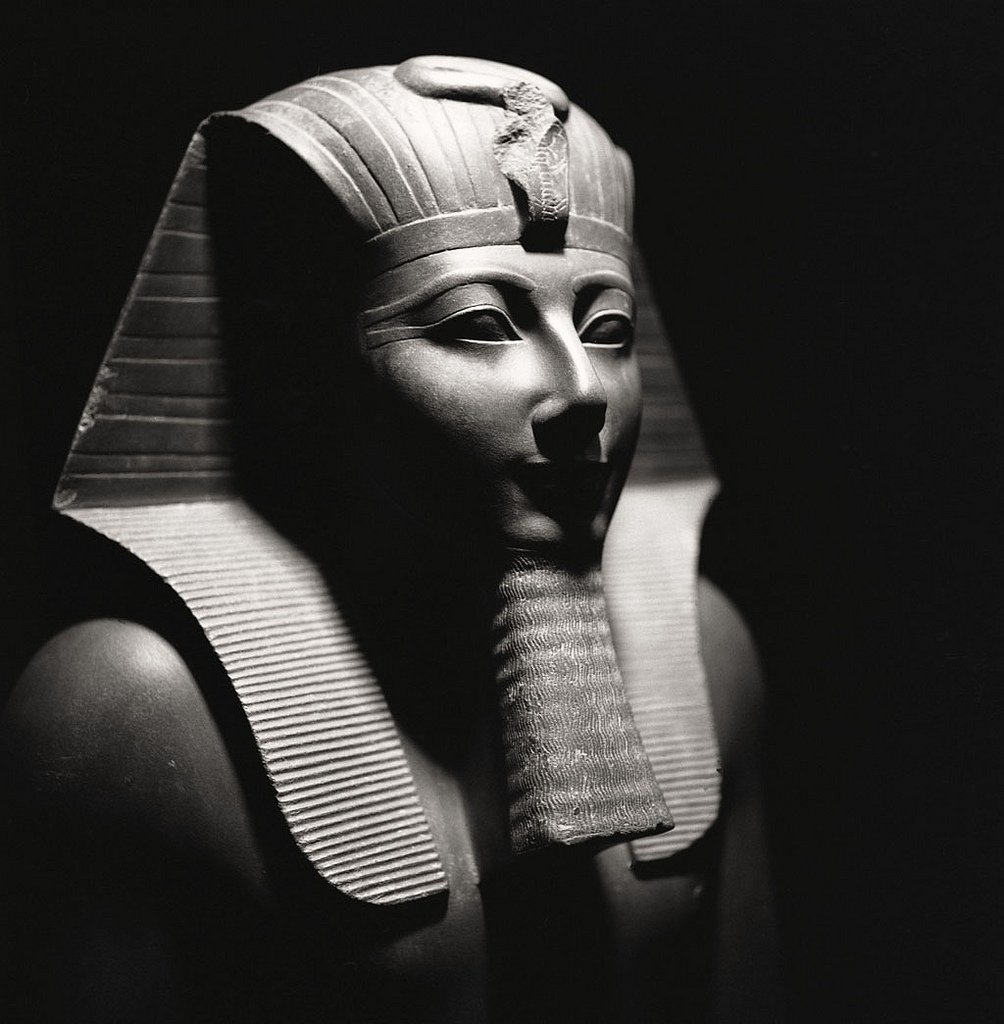
Thutmose III (reign:1479 BCE to 1425 BCE) created the largest empire Egypt had ever seen.

Assyria

Video Presentation: “The Assyrian Empire in the British Museum”

Assyria is the name applied to the country anciently occupying the northern end of the Mesopotamian plain or the extreme northern portion of what is today the modern country of Iraq.

Assyria was essentially a military power, and the historical picture left of its exploits is one of great cruelty and rapaciousness. Sadistic torture was a frequent feature of Assyrian warfare about which they shamelessly boasted and which they carefully recorded. The knowledge of their cruelty doubtless served them to an advantage militarily, striking terror into the hearts of those in their line of attack and often causing resistance to crumble.

Nineveh, the capital city of Assyria was aptly described as a “lair of lions” and as “the city of bloodshed” (Na 2:11, 12 ; 3:1). Little wonder that the prophet Jonah viewed his assignment to condemn and prophecy against the Ninevites with some trepidation!

“WORLD POWERS OF BIBLE HISTORY : Assyria ”
features the following resources:

Section 1 : Reference Works (100 books -PDF format)

– “Myths of Assyria” – Lewis Spence
– “Myths of Babylonia & Assyria” – Donald Mackenzie
– “Assyria – Its Princes, Priests and People” – A H Sayce
– “Aspects of Religious Belief in Assyria ” – Morris Jastrow
– “Religions of the Ancient World including Assyria” – George Rawlinson
– “The Religion of Assyria” – Theophilus Pinches
– “The Religion of Babylonia & Assyria” – Morris Jastrow
– “The Religion of Ancient Assyria” – George Rawlinson
– “The Religion of Assyria in its Relation to Israel” – Robert Rogers
– “The Old Testament in the Light of the Religion of Assyria” – John Thomas
– “The Old Testament in the Light of the Historical Records of Assyria” – Theophilus Pinches
– “Prophecies Relating to the Assyrians” – George Smith

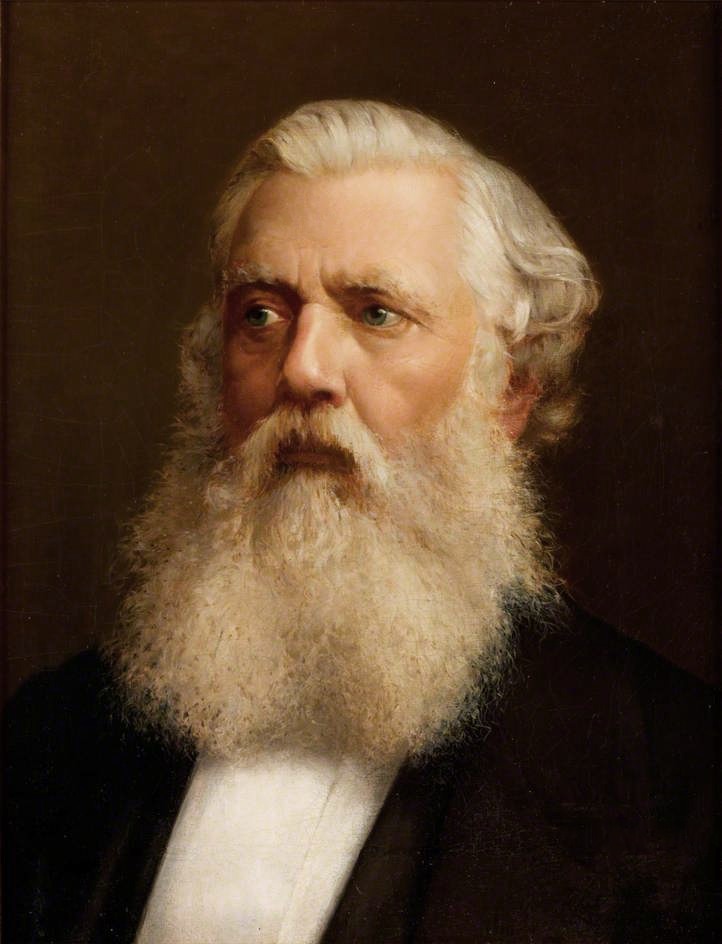
Sir Austen Henry Layard, British explorer, archaeologist and diplomat located and excavated in 1849 the massive lost temple of Sennacherib ... a ruler Bible critics claimed never existed! Most of Layard's artifacts were sent to the British Museum in London, where Bible students can still enjoy studying his discoveries to this day.

– “The Life & Times of Isaiah Illustrated by Contempory Monuments” – A H Sayce
– ” Jonah the Prophet” – Alexander Raleigh
– “The Prophet Jonah and his Mission to Nineveh” – Hugh Martin
– “Assyria” – Zenaide Ragozin
– “The History of Babylonia & Assyria” – Hugo Winkler
– “The Ancient History of the East” – Assyria – Philip Smith
– “The Struggle of Nations – Assyria” – G Maspero
– “Ancient History of Assyria” – George Rawlinson
– “A History of Babylonia & Assyria (Vol 1)” – Robert Rogers
– “A History of Babylonia & Assyria (Vol 2)” – Robert Rogers
– “The Civilization of Babylonia & Assyria” – Morris Jastrow
– “Ancient Assyria” – James Baikrich
– “Babylonia and Assyria – a Sketch of their History” – Ross Murison
– “The Story of Chaldea” – Zenaide Ragozin
– “A History of the Babylonians and Assyrians” – George Goodspeed
– “The Story of Assyria” – Zanaide Ragozin
– “Assyrian Historiography” – Albert Olmstead
– “The Archaeology of Assyria” – Percy Handcock
– “The Romance of Excavation in Assyria” – David Masters
– “Fresh Light from the Ancient Monuments” – Assyria – A H Sayce
– “The Assyrian Monuments Illustrating the Sermons of Isaiah” – Maximilian Lindsay Kellner
– “The Archaeology of the cuneiform inscriptions” – A H Sayce
– “The Assyrian Doomsday Book” – Claude Johns
– “History and Antiquities of Assyria” – Chad Boscawen
– “The Histories of Herodotus” – Herodotus
– “Researchs in Assyria” – Willaim Ainsworth
– “The Land of Nimrod”- Hormuzd Rassam
– “Ninevah and Babylon” – Sir Austen Layard
– “Nineveh – The Buried City of the East” – Sir Austen Layard

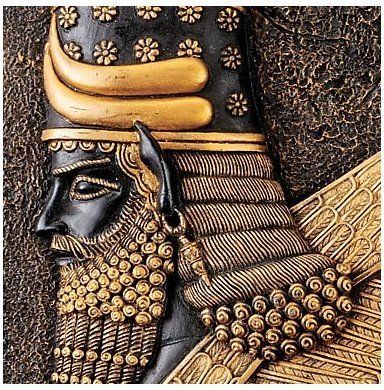
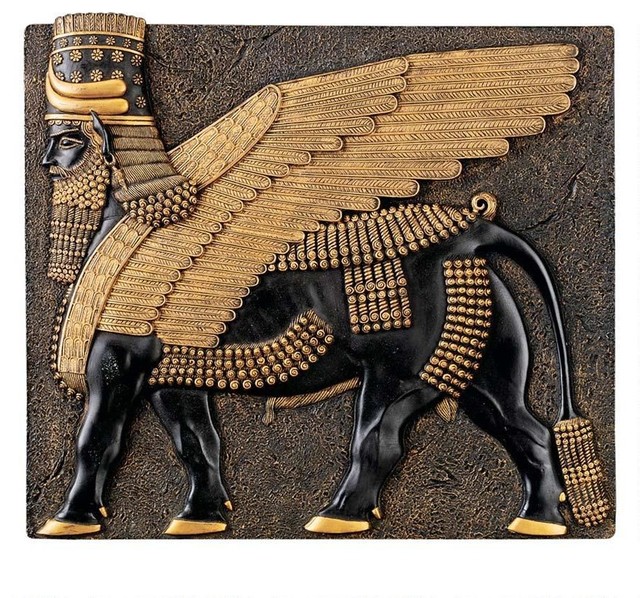
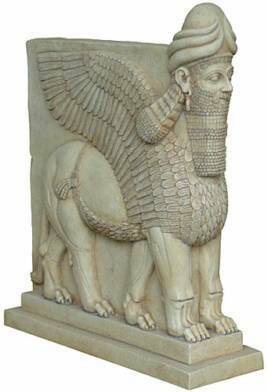
A Protective Spirit" from Sennecharibs palace. Notice the crux ansarta above the wings ... an ancient symbol of life used centuries before Christendom adopted the cross as the supposed method of Jesus execution.

– “Nineveh and its Remains” – Sir Austen Layard
– “Inscriptions from Nineveh” – Henry Rawlinson
– “Discoveries on the Site of Nineveh” – George Smith
– “Nineveh” – George Viereck
– “Tiglath Pileser” – Abraham Anspacher
– “Bronze Reliefs of Shalmaneser” – L W King
– “Sargon of Assyria” – Albert Olmstead
– “The History of Sennacherib” – George Smith
– “Sennacheribs Campaign in Palestine” – Henry Kieme
– “The First Campaign of Sennacherib” – Sidney Smith
– “Jewish Politics in the times of Sargon and Sennacherib” – Edward Strachey
– “The History of Esarhaddon – son of Sennacherib” – E A Budge
– “The History of Assurbanipal” – George Smith
– “The Annals of Ashurbanapal” – Robert Lau
– “Art in Chaldea & Assyria” – George Perrot
– “Life in Ancient Assyria” – G Maspero
– “The Flora of the Assyrian Monuments” – Emanuel Bonavia
– “The Architecture of Assyria” – Ernest Babelon
– “The Deluge as told by the Assyrian Tablets” – E A Budge

… and many more!

The cruelty and brutality of the Assyrian Empire was proverbial in the ancient world.

Section 2 : Video (computer use only)

Over TWENTY HOURS of interesting presentations and historical information regarding the history and culture of the ancient Assyrians.

Section 4 : Audio (MP3)

– Over TWO hours of audiobooks featuring readings from the classics and great historical works.

Section 5 : Pictures

Over 50 full colour (jpeg) high quality images featuring the history, geography, archaeology and rich heritage of Assyria.

“World Powers of Bible History: Assyria”
Everything you will ever need to know about the Assyrian Empire… in one massive resource!
 

World Powers of Bible History: Assyria

100 Complete Volumes in PDF format. Over 4 GB of Material

$32  (+$8 Shipping – Worldwide)

Babylon

The Bible makes many references to Babylon, beginning with the Genesis account of the original city of Babel. (Ge 10: 10; 11: 1-9). After the fall of the northern Kingdom of Israel in 740 BCE people from Babylon and other areas were brought in to replace the captive Israelites (2 Ki 17: 24, 30). Hezekiah made the mistake of showing messengers from Babylon the treasures of his house: these same treasures as well as some of his sons were later taken to Babylon.

In 632 BCE Assyria was subdued by the new Chaldean dynasty under Nabopolassar with the assistance of Median and Scythian allies. In 625 BCE Nabopolassar’s eldest son Nebuchadnezzar defeated Pharaoh Necho of Egypt at the battle of Carchemish and in the same year he assumed the helm of government.

Under Nebuchadnezzar, Babylon was a “golden cup” in the hand of Jehovah to pour out indignation against unfaithful Judah and Jerusalem. (Jer 25:15, 17, 18 ; 51: 7). In 609 BCE the Babylonians laid siege to Jerusalem and finally breached its walls in 607 BCE. The temple of Solomon was destroyed and the people taken captive to Babylon until the land paid back its 70 years of unkept Sabbaths.

The Babylonian empire was eventually overthrown by Cyrus the Great in 539 BCE and the Jews allowed to return to their homeland.

“WORLD POWERS OF BIBLE HISTORY : Babylon ”
features the following resources:

Section 1 : Reference Works (75 books -PDF format)

– “A History of Babylon” – L W King
– “Babylon” – George Rawlinson
– “The Early Races of Babylonia” – L W King
– “Babylon in Egypt” – Alfred Butler
– “Belshazzar – the Tale of the Fall of Babylon” – William Davis
– “Babylon – the Records of Daniel the Prophet” – Joseph Seiss
– “Legends of Babylon” – L W King
– “The Bible and Babylon” – Eduard Konig
– “The Letters and Inscriptions of Hammurabi, King of Babylon” – L W King
– “Nineveh and Babylon” – Austen Henry Layard
– “Ancient Cities and Empires” – E H Gillett
– “Babylon – A Sketch of Mesopotamian Religion” – Lewis Farnell
– “Media, Babylon and Persia” – Zenaide Ragozin
– “Thrones and Palaces of Babylon” – John Newman
– “Fishes, Flowers and Fire – the Religion of Ancient Babylon” – Arthur Reader
– “Law Codes of Babylon” – C H W Johns
– “The Code of Hammurabia” – Percy Handcock


– “Remains of Lost empires” – Babylon – P V N Myers
– “Astrologers of Babylon” – Reginald Thompson
– “Antiquities of the Orient Unveiled” – Moses Redding
– “The Fate of Conquerors as Prophesied in the Bible” – Wilfred Schoff
– “The Two Babylons” – Alexander Hislop
– “The Religions of the Ancient World” – George Rawlinson
– “The Life of the Ancient East” – James Baikie
– “The Fall of Babylon” – Walter Haworth
– “The Seven Wonders of the Ancient World” – Edgar Banks
– “The Sacred Books and Early Literature of the East ( Vol 1)” – Charles Horne
– “The Sacred Books and Early Literature of the East (Vol 2)” – Charles Horne
– “The Babylonian Story of the Deluge” – British Museum Dept of Antiquities
– “Exposition of the Dream of Nebuchadnezzar” – Luther Wilson
– “The Little Stone and the Great Image” – George Junkin
– “The Eponym Canon” – George Smith
– “Early Adventures in Babylonia (Vol 1)” – Austen Layard
– “Early adventures in Babylonia (Vol 2)” – Austen Layard
– “Belshazzar’s Doom” – Samuel Johnson
– “The Feast of Belshazzar – Edwin Arnold
– “Sacred Drama’s” – Hannah More
– “The Nabonidus Cylinder” – Robert Lau
– “Records from the Time of Nabonidus” – Raymond Dougherty
– “Ancient Babylonia” – Claude Johns
– “Aspects of Religious Belief in Babylon” – Morris Jastrow
– “The History of Babylonia” – George Smith
– “Myths of Babylonia” – Donald Mackenzie

– “The History of Babylonia” – Hugo Winckler
– “A Report on Wolfe’s expedition to Babylonia – William Ward
– “The Civilization of Babylonia” – Morris Jastrow
– “The Old Testament in the Light of the Religion of Babylon” – John Thomas
– “The Archaeology of Babylonia” – Percy Handcock
– ” The Jews in Babylonia in the time of Ezra & Nehemiah” – Samuel Daiches
– ” Explorations in the Bible Lands “- H V Hilprecht

… and MANY MORE!

Section 2 : Video (computer use only)

Over ten hours of interesting presentations regarding the history and culture of ancient Babylon.

Section 3 : Audio

Two hours of interesting audio presentions (mp3) discussing the impact of the Babylonians on the nation of Israel.

Section 4 : Pictures

Over 50 full color (jpeg) high quality images featuring the history, geography, archeology and rich heritage of Babylon.

All in all … a vast resource of valuable multimedia material to assist your study and research
regarding this significant and intriguing world power of Bible history.
 

World Powers of Bible History: Babylon

75 Complete Volumes in PDF Format.

Over 4 GB’s of Material.

$32 (+$8 Shipping – Worldwide)

Medo-Persia

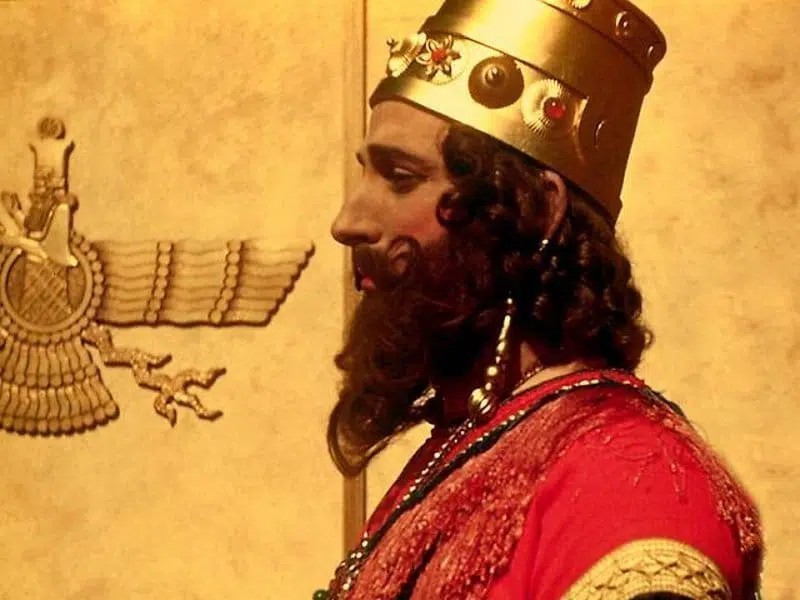
Cyrus the Great

The prophet Isaiah under inspiration, stated “Jehovah has said to his anointed one, to CYRUS whose right hand I have taken hold of, to subdue before him nations, so that I may ungird even the hips of kings ; to open before him the two – leaved doors so that even the gates will not be shut”. (Isa 45 : 1).

Although recorded almost 150 years in advance, these prophetic words had remarkable fulfilment on a fateful night on Tishri 16 (October) 539 BCE as Cyrus and his troops stormed Babylon as the Babylonian king, Belshazzar feasted.

The subsequent empire developed by Cyrus the Persian and his ally, Darius the Mede eventually became the largest the world had seen up to that time, covering the territories of Media, Elam, Parthia, Babylonia, Assyria, Arabia, Armenia, Cappadocia, Lydia, Ionia, Egypt, Ethiopia and Libya.

Persian rule was noted for its humanity and tolerance … in stark contrast to its predecessors Babylon and Assyria.

Conquered nations were allowed to retain their culture and enjoy relative freedom. Captives were freed and allowed to return to their homeland – a policy which benefited the captive Jews in Babylon, who were allowed to return to Jerusalem and rebuild Jehovah’s temple (Ezra 1: 1 – 4).

The Persian empire was eventually overthrown by Alexander the Great of Macedonia, following the battle of Marathon in 490 BCE.

WORLD POWERS OF BIBLE HISTORY :
 
 Medo – Persia 
 features the following resources: 
Section 1 : Reference Works (50 books -PDF format)
Darius the Mede

– ” Cyrus the Great – Jacob Abbott
– ” Darius the Mede – Joseph Horner
– ” The Fall of Babylon” – William Davis
– ” Media , Babylon and Persia” – Zenaide Ragozin
– ” Jewish life after the exile” – Thomas Cheyne
– ” Songs of the Exile” – Nina Davis
– ” After the exile” (Vol 1) – Peter Hunter
– ” After the exile” (Vol 2) – Peter Hunter
– ” The Persian Wars” – Herodotus
– ” The Ancient History of Persia” – Muhammed Ahmad
– ” Persia – Ancient and modern” – John Pittot
– ” The Religion of Ancient Persia” – George Rawlinson

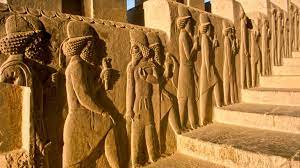
Persepolis

– ” The Conquest by Alexander the Great of Persia” – Philip Smith
– ” Persepolis – a historical sketch of Ancient Persia” – William Vaux
– ” Travels in Assyria, Media and Persia” (Vol 1) – James Buckingham
– ” Travels in Assyria, Media and Persia” (Vol 2) – James Buckingham
– ” Ancient History from Earliest times to the fall of the Western Empire” – George Rawlinson
– “A Manual of Ancient history from the Earliest Times to the fall of the Sassanian Empire” – George Rawlinson

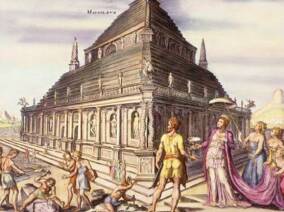
The Mausoleum of Halicarnassus

– “Our own religion in Ancient Persia” – Lawrence Mills
-“The Great Monarchies of the Ancient World” – George Rawlinson
-“The Old World Embracing Ancient and Modern History” (vol 1) – Henry Brownell
-“The Old World Embracing Ancient and Modern History” (vol 2) – Henry Brownell
-“Parallels between Christianity & Religious Systems of the Ancient World” – Charles Hardwick –  “The Ancient History of the Medes and Persians” (Vol 1) – Charles Rollin
– “The Ancient History of the Medes and Persians” (Vol 2) – Charles Rollin
– “The Ancient History of the Medes and Persians” (Vol 3) – Charles Rollin


– ” The History & Religion of the Medes and Persians” – George Smith
– ” Persian Costumes and Decorations” – Mary Houston
– ” Parthian Coinage” – Percy Gardner
– ” History of the Early Kings of Persia” – Khvand Mir
– ” A History of Persia” (vol 1) – Percy Sykes
– ” A History of Persia” (vol 2) – Percy Sykes

– ” Studies in Ancient Persian History” – P Kershasp
– ” Epitome of the Ancient History of Persia” – Muhammad ibn Ahmad
– ” The Story of Persia” – Samuel Benjamin
– ” The Story of Parthia” – George Rawlinson
– ” Artaxerxes III and his Reign” – Noah Hirschy
– ” Persia, the Land of the Magi” – Samuel Nweeya
– ” A Historical Sketch of Persia” – William Vaux

Section 2 : Video (computer use only)

Ten interesting presentations regarding the history and culture of the ancient Medes & Persians.

Section 3 : Audio

Interesting audio presentations (mp3) discussing the rise and fall of the Persian empire.

Section 4 : Pictures

Over 50 full colour (jpeg) high quality images featuring the history, geography, archaeology and rich heritage of Medo Persia.

World Powers of Bible History: Medo Persia

50 Volumes in PDF Format

Over 4 GB’s of Material

$32 (+$8 Shipping Worldwide)

Greece

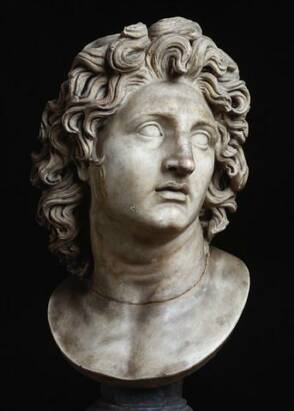
Alexander the Great ( 356 BCE - 323 BCE)

Back in the sixth century BCE, the prophet Daniel had received a prophetic vision foretelling
the overthrow of the Medo-Persian empire by the Greeks.

In Daniel chapter 8, the angel Gabriel tells Daniel : “The ram that you saw possessing the two
horns stands for the kings of Media and Persia and the hairy he – goat stands for the King of Greece. As for the great horn that was between its eyes, it stands for the first King” (Dan 8:20,21).

This first king of Greece was to become one of the greatest military commanders in history – Alexander the Great whose conquests would stretch from Macedonia, Asia Minor, Syria, Palestine, Egypt and the entire Medo Persian Empire as far as India.

By taking control of Judah in 332 BCE, Greece became the fifth successive world power to effect the nation of Israel.

Tutored by Aristotle, Alexander was a tolerant monarch and ruled his empire wisely. Alexander like the Persians before him, treated the nation of Israel respectfully … leaving Jerusalem unharmed.

However after his premature death in Babylon in 323 BCE, Alexanders empire as prophesied, was split between four of his generals : Ptolemy 1 (Egypt & Palistine), Seleucus Nicator (Mesopotamia and Syria), Lysimachus (Asia Minor and Thrace) and Cassander (Macedonia and Greece).

The nation of Israel at this point became a buffer zone between two warring dynasties: the Ptolematic kingdom to the South and the Seleuid kings of Syria to the North. Many of the historic events and developments which occurred between these two dynasties were prophesied in the book of Daniel, chapter 11.

Eventually, the warring between the Greek territories weakened and fragmented the empire.

A turning point as far as the nation of Israel was concerned took place in 64 BCE when Roman General Pompey made Syria a province of Rome.

A new iron like “beast” had emerged!

Video Presentation:

“Monuments of Ancient Greece”

“World Powers of Bible History: Greece”

… features the following resources:

Section 1 : 75 Major Reference Works (PDF format)

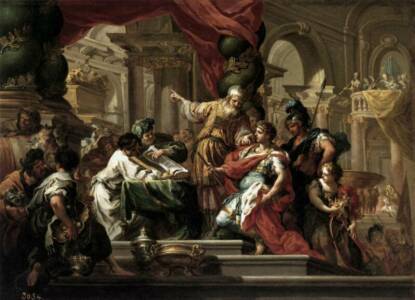
Alexander at the Temple in Jerusalem

– ” Greek & Roman Mythology” – Jessie Tatlock
– ” Ancient Greece” – George Bancroft
– ” Tales of Ancient Greece” – George Cox
– ” Ancient Greece – Art, Literature and Philosophy” – H.B Cotterill
– ” The Greek Historians” – M I Finley
– ” Teach Yourself New Testament Greek” – D F Hudson
– ” The Monuments of Ancient Athens” – Jane Harrison
– ” A Dictionary of Greek & Roman Antiquities” – Charles Anthon
– ” The Books of Ancient Greece” – Sir Frederic Kenyon
– ” Everyday Life in Ancient Greece” – C E Robinson
– ” Greece under the Romans” –  George Finlay


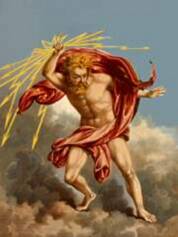
Zeus

– “God in Greek Philosophy” – Roy Hack
– “The Mythology of Ancient Greece” – Thomas Keightley
– “A Manual of Greek Mythology” – Alexander Murray
– “Woman, her Influence in Ancient Greece” – J. Donaldson
– “The Story of Alexanders Empire” – John Mahaffy
– “The Greeks and the Persians” – George Cox
– “The Greco Persian War” – Herodotus
– “Problems with Greek History” – John Mahaffy
– “Tales of Troy and Greece” – Andrew Lang
– “A Dictionary of Latin & Greek Quotations” – Henry Riley
– “The Greek Philosophers” – James Hyslop

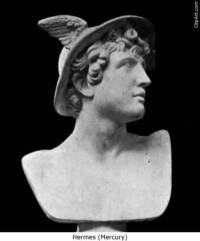
Hermes

– “The Religion of Ancient Greece” – Jane Harrison
– “The Stoics, Epicureans & Sceptics” – Eduard Zeller
– “Christianity and Greek Philosophy” – Benjamin Cocker
– “Outlines of The History of Greek Philosophy” – Eduard Zeller
– “Greek Thinkers” – Theodor Gomerz (Vols 1 – 4)
– “Greek Medicine” – Charles Singer
– “Religion and Art in Ancient Greece” – Ernest Gardner
– “Greek Religious Thought from Homer to Alexander” – Francis Cornford
– “The Religion of Ancient Greece” – Jane Harrison

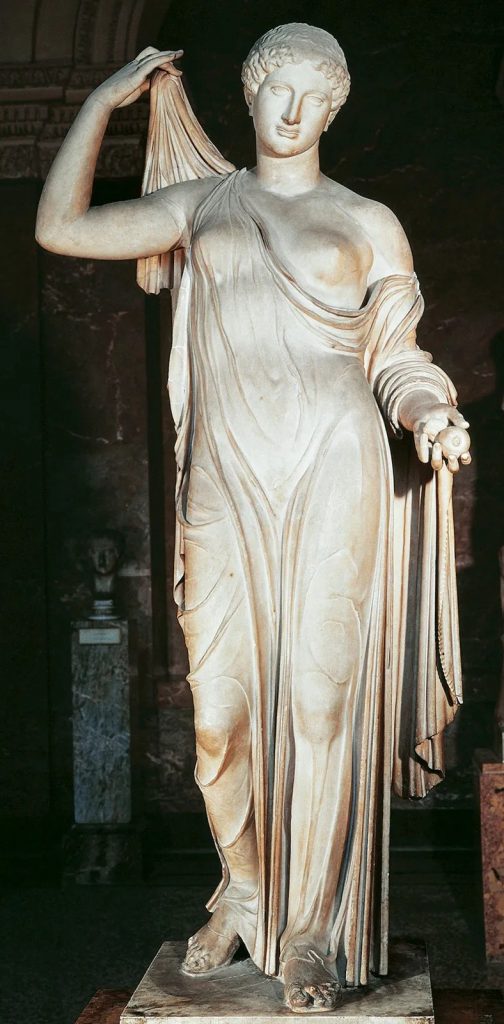
Aphrodite

– “Greek & Roman Sculpture” – Adolf Furtwangler
– “Greek Architecture” – Allan Marquand
– “Handbook to the Greek Antiquities in the British Musuem” – William Vaux
– “Greek Dramas” – Bernadette Perrin
– “Greek Literature” (anon)
– “The Handbook of Greek Archaeology” – Alexander Murray
– “The Legacy of Greece” – Richard Livingstone
– “History of Greek and Roman Science” – Charles Blomfield
– “Greek and Jew” – Alfred Lloyd
– “Hellenica- Greek Poetry and Religion – Evelyn Abbott
– “The Christian Church and Greek Philosophy” – Thomas Allies
– “Christianity in Relation to Greek and Jewish Ideals” – John Watson
– “Greek Philosophy and the New Testament” – Edward Hicks
– “The Influence of Greek Ideas upon the Christian Church” – Edwin Hatch
– “The Life of Greece” – Will Durrant (G)
– “The Ethics of the Greeks – James Hyslop
– “Greek Ethical Thought” – Hilda Oakeley
– “The Greek Spirit” – Kate Stephens
– “Greece – Ancient and Modern” – Cornelius Conway
– “Universities of Ancient Greece” – John Walden
– “Lays and Legends of Ancient Greece – John Blackie
– “The Politics of Ancient Greece” – Arnold Heeren
– “Customs of Ancient Greece
– “The Literature of Ancient Greece – Karl Muller

… and many more!

The "Phalanx" battle formation of the Greek Army

Section 2 : Video

Over five hours of interesting presentations regarding the history and culture of Ancient Greece.

Section 3 : Audio

Over ten hours of audio books featuring readings from the classics and great historical works.

Section 4 : Pictures

Over 50 full colour (jpeg) high quality images featuring the history, geography, archaeology and rich heritage of Ancient Greece

World Powers of Bible History: Greece

75 Volumes in PDF Format

Over 4 GBs of Material

 $32 (+$8 Shipping)

Rome

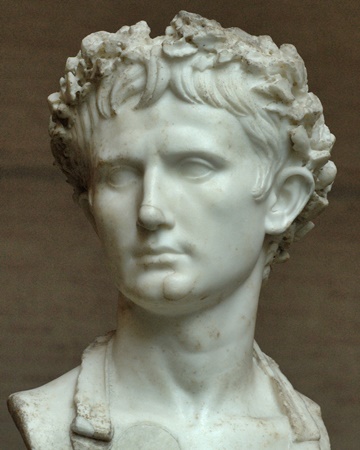
Gaius Octavius, better known as Augustus Caesar (63 BCE - 14 AD)

Rome : The greatest world empire of ancient Bible times.

Located inland about 25 km (16 mi) up the Tiber River, it was according to mythology, founded in 753 BCE by a certain
Romulus, although archaeological evidence points to settlements in this area dating back to much earlier periods.

In international affairs Rome reached the zenith of her glory under the Caesars. The first was Julius, appointed dictator of Rome in 46 BCE but was murdered by conspirators in 44 BC. After a period of chaos, he was succeeded by Augustus (Octavian) who ruled the empire wisely from 31 BCE to 14 CE.

It was during the rule of Augustus that Jesus was born in 2 BCE (Lu 2: 1 – 7). The successor to Augustus was Tiberiius (14 – 37 CE) who ruled during Jesus ministry (Lu 3 : 1,2 , 21 – 23). Next came Caligula (37 – 41 CE) and Claudius (41 – 54 CE), the latter issuing a decree expelling the Jews from Rome (Ac 18:1,2). Nero’s rule followed (54 – 68 CE) and it was to him that Paul appealed his case. (Ac 25:11, 12, 21).

Roman emperors in the order of succession after Nero (through the first century) were Galba (68 – 69 CE) , Otho and Vitellius (69 CE), Vespasian (69 – 79 CE) during whose reign Jerusalem was destroyed, Titus (79 – 81 CE), who previously had directed the successful assault on Jerusalem, Domitian (81 – 96CE) under whose reign John was exiled to the penal island of Patmos, Nerva 96 – 98 CE) and Trajan (98 – 117 CE). It was under Trajan that the empire reached its greatest limits, the boundaries by then extending far out in all directions to the Rhine and the North Sea, the Danube, the Euphrates, the cataracts of the Nile, the great African Desert, to the Atlantic in the west.

During the declining years of the Roman Empire, Constantine the Great was emperor (306 – 337 CE). After seizing control he transferred the capital to Byzantium (Constantinople). It was Constantine who “Christianized” the Roman Empire … in reality “paganising” Christianity and many false teachings of contemporary Christendom can be traced to this period.

In the next century Rome fell, in 476 CE and the German warlord Odoacer became its first “Barbarian King”.

The iron like “beast” was about to change again!

“World Powers of Bible History: Rome” features the following resources:

The Colosseum

Section 1 : Reference Works (75 books -PDF format)

– ” The Roman Empire” – H Stuart Jones
– ” Ancient History of Rome” – John Russell
– ” A History of the Roman Empire” Thomas Keightley
– ” The Histories of Tacitus”
– ” The Annals of Tacitus”

Tiberius (42 BCE - 37 CE)

– ” The Roman Empire” – H Stuart Jones
– ” Ancient History of Rome” – John Russell
– ” A History of the Roman Empire” Thomas Keightley
– ” The Histories of Tacitus”
– ” The Annals of Tacitus”
– ” Decline & Fall of the Roman Empire (Vol 1 – 6)” – Edward Gibbon
– ” The History of Ancient & Modern Rome” – Francis Jeffrey
– ” Ancient & Modern Rome”- George Keate
– ” The Twelve Caesars of the 1st Centrury” – Suetonius
– ” The Caesars” – Thomas De Quincey
– ” Roman Life under the Caesars” – Emile Thomas
– ” The Tragedy of the Caesars (Vol 1)” – S Baring-Gould
– ” The Tragedy of the Caesars (Vol 2)” – S Baring-Gould
– ” The Foundation of the Roman Imperial System” – Warde Fowler
– ” The Life of Julius Caesar” – H G Liddell
– ” Augustus – His Life & His Work”- Rene Francis
– ” Roman Scenes of the time of Augustus” – W A Becker
– ” Tiberius Caesar” – G P Baker

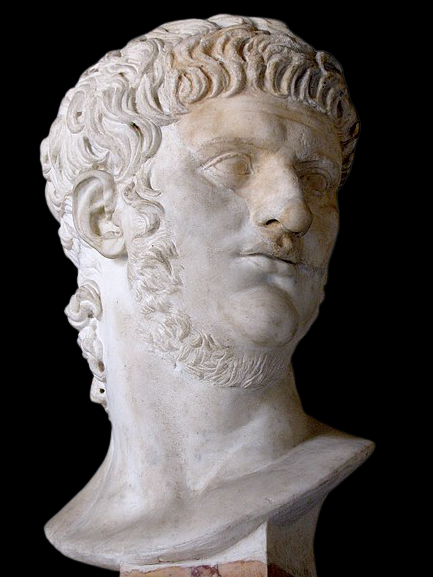
Lucius Domitius Ahenobarbus ... better known as Nero (37 CE - 68 CE)

– ” Nero “- Jacob Abbott
– ” Civil War and Rebellion in the Roman Empire”- Bernard Henderson
– ” The History of Rome to the Death of Vespasian – William MacDermott
– ” A History of Rome to the Death of Domitian” – R W Browne
– ” Rome in its Ancient Grandeur” – Antoine Babuty Desgodets
– ” The Destruction of Ancient Rome”- Rodolfo Amedeo Lanciani
– ” Monuments of Ancient Rome” – Samuel Platner
– ” Temples, Tombs & Monuments of Ancient Rome” – William Adams
– ” Roman Sculpture” – Eugenie Strong
– ” Ancient Roman Marbles” – H W Pullen
– ” Culture in Ancient Rome” – Clarence Boyd
– ” Literature of Ancient Rome” – Dora Pym
– ” Poets of Rome – D’Arcy Thompson
– ” The Religious Life of Ancient Rome” – Jesse Benedict Carter
– ” The Religion of Ancient Rome “- Cyril Bailey
– ” Roman Mythology” – M A Dwight
– ” Stories of Ancient Rome” – Frederick Ricord
– ” Legends of Ancient Rome “- Herbert Wilkinson
– ” Myths and Legends of Rome” – E M Berens

Titus Flavius Vespasian (9 CE - 79 CE)

– ” A History of the God’s of Rome” – William Godwin
– ” Roman Philosophy and Science” – Charles Blomfield
– ” The School of Plato “- F W Bussell
– ” Roman Stoicism” – Edward Arnold
– ” Roman Society” – Samuel Dill
– ” The International Law of Ancient Rome” – Coleman Phillipson
– ” Roman Law in the New Testament” – Edward Hicks
– ” Politics in Rome” – Frank Abbott
– ” The Common People of Ancient Rome” – Frank Abbott
– ” Women in Ancient Rome” – James Donaldson
– ” The Women of the Caesars” – Guglielmo Ferrero
– ” Childhood in Ancient Rome” – Walton McDaniel
– ” Business life in Ancient Rom” – Charles Herbermann
– ” A Day in Ancient Rome” – Edgar Shumway
– ” Ancient Rome in the Light of Recent Discoveries – Rodolfo Lanciani
– ” What Rome was Built with” – Mary Porter
– ” The Remains of Ancient Rome” – J H Middleton


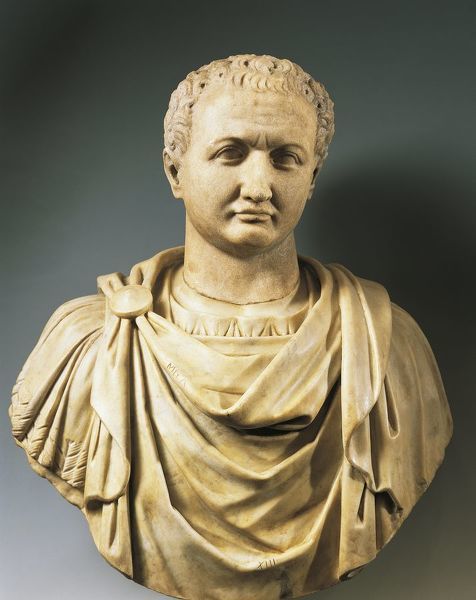
Titus (39 CE to 81CE)

– ” The Jews Under Roman Rule” – William Morrison
– ” The Jews in Rome” – B L Benas
– ” The Siege of Jerusalem by Titus” – Thomas Lewin
– ” The Early Christians in Rome” – H D M Spence-Jones
– ” Christianity and the Roman Empire” – William Addis
– ” Christians Inscriptions in Ancient Rome” – H E Fox
– ” The Catacombs at Rome” – Benjamin Scott
– ” The Conversion of the Roman Empire” – Charles Merivale
– ” The Church and the Roman Empire” – Arthur Carr
– ” Rome in the First Century” – James De Mille
– ” The Roman Empire of the Second Century” – W W Capes
– ” The Holy Roman Empire” – James Bryce
– ” The Roman Empire & the British Empire” – James Bryce
– ” Ancient Rome & Modern America” – Ferrero Guglielmo

"The Spoils of Jerusalem" (Arch of Titus, Rome)

Section 2 : Video (computer use only)

Seven interesting presentations (6 hours duration) featuring the history and culture of the Ancient Rome.

Section 3 : Audio

Over twelve hours of audio books including readings from the classics and great
historical works.

Section 4 : Pictures

Over 100 full colour (jpeg) high quality images featuring the history, geography, archaeology and rich heritage of Ancient Rome

Video Presentation

“Walking Around the Colosseum” (in 3D)

A huge repository of knowledge and information concerning one of the most important
“World Powers of Bible History”.

$32 (+$8 Shipping – Worldwide)


Anglo America

In 55 BCE Roman General Julius Caesar invaded Britannia but failed to establish a permanent settlement.

In 43 CE, Emperor Claudius began a permanent conquest of southern Britain.

Then in 122 CE, Emperor Hadrian began to build a wall from the Tyne River in North East England to the Solway Firth, marking the northern limit of the Roman Empire.

Early in the fifth century, the Roman legions left Britain. By the 16th century, Britain was rated a
“second rate power”, its wealth being slight compared with that of the Netherlands. Its population was
much less than that of France. Its armed forces (including its navy) were inferior to Spain’s.

Britain at this point was an insignificant kingdom … but all that was to change.

In 1588, Phillip II of Spain launched the Spanish Armada against Britain, a fleet of 130 ships carrying
more than 24,000 men. The Armada was defeated by the British Navy … with a little help from the weather!

This event marked the decisive passing of naval superiority from Spain to Britain. In the 17th century, the Dutch developed the world’s largest merchant navy with growing oversea’s colonies. However, Britain eventually prevailed over that kingdom. During the 18th century, Britain found itself in constant conflict with France, engaging in military conflicts in Canada, India ,North Africa and mainland Europe. Peace eventually came with the crushing victory over Napoleon in 1815 CE. Britain was now the world’s greatest commercial and colonial power, with the British Empire embracing one fourth of the earths land surface and a fourth of its population.

Part of the British Empire included 13 North American colonies. Although happy to tax and control its American interests, the British refused to allow the colonists any Parliamentary representation or self-determination.

This and other issues, eventually led in 1775 to the American War of Independence with the colonists led by George Washington breaking free from British authority in 1783.

However, it soon became clear that political expediency required close links between the two countries and successful military alliances during World Wars 1 & 2 served to strengthen the “special relationship” between the two powers.

The resulting Anglo-American dual world power constitutes the “horn having eyes” (mentioned at Daniel 7: 8, 11 & 20) that speaks “grandiose things” as it advocates democracy as the world’s greatest political system. It is also represented by the “feet of iron and clay” discussed at Daniel 2:34.

However, this final “World Power of Bible History” forgets God’s Kingdom in its political scheming and like a huge rock carved from a mountain, this kingdom will crush it and all other human rulerships that fail to recognize the sovereignty of Jehovah God. (Dan 2: 44 – 45).
“World Powers of Bible History: Anglo-America (2025 Edition)”

features the following resources:

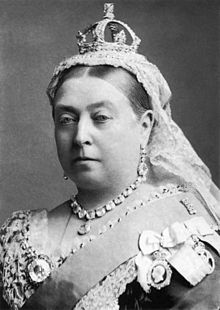
Queen Victoria (24 May 1819 – 22 January 1901)

Section 1 : Reference Works (85 books -PDF format)

– ” The History of the British Empire” – David Springhall
– ” The British Empire – its Origin and Destiny” – Edward Byers
– ” The British Empire “- Charles Prestwood Lucas
– ” The British Empire “- Charles Wentworth Dilke
– ” The British Empire” – Past, Present and Future – A. F. Pollard
– ” A Historical Geography of the British Empire” – H B George
– ” British History” – John Wade
– ” Queen Victoria” – Lytton Strachey
– ” Queen Victoria, her Life and Reign” – J.Castell Hopkins
– ” The Reign of Queen Vistoria” – Charles Morris
– ” Great Victorians” – T H S Escott
– ” Eminent Victorians” – J.Comyns Carr

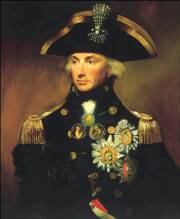
Vice-Admiral Horatio Nelson, 1st Duke of Bronte, (1758 –1805)

– ” Britains Heritage of Science” – Arthur Schuster
– ” The Art of the British Empire” – Anon
– ” The Pioneers of Empire” – James Rochfort Maguire
– ” British Naval Power” – Hamilton Williams
– ” The British Empire in India (Vol 1)” – Edward Henry Nolan
– ” The British Empire in India (Vol 2)” – Edward Henry Nolan
– ” British Exploits in South America” – William Koebel
– ” The British in Australia” – Ida Lee
– ” Great Britain and Canada” – Henry Bourassa

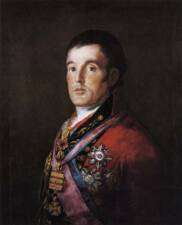
Arthur Wellesley, First Duke of Wellington ........... (1769 –1852)

– ” British Central Africa” – Harry Hamilton Johnston
– ” British South Africa” – Colin Turing Campbell
– ” The Boer War” – Sir Arthur Conan Doyle
– ” Cecil Rhodes – the Man and his Work” – Gordan le Suer
– ” The Navel Supremacy of England” – William Clark Russell
– ” The Duke of Wellington” – George Hooper
– ” Napoleon and England” – Gordon Knox
– ” France and Britain at War” – H G Wells


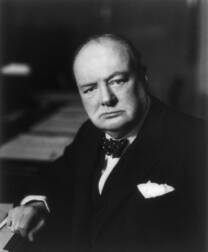
Sir Winston Spencer Churchill (1874 – 1965)

– ” Britain and her American Colonies” – J. Beaufort Hurlbert
– ” German Ambitions and there affect on Britain and the USA” – William Arnold
– ” The Great Crime of 1914″ – Frank Franklin
– ” The Great War and the Waging of it” – Theodore Jervey
– ” The Battle of the Nations (1914 – 1918)” – Frederick Kummer
– ” The Great War (1914 – 1918)” – Thomas Herbert Russell
– ” The Nations at War” – Willis Abbot
– ” America and Britain” – Andrew McLaughlin


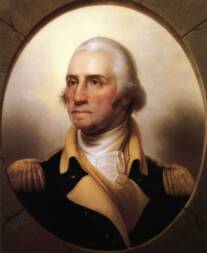
George Washington (1732 – 1799)

– ” The History of the United States of America” – James Grahame
– ” The War of American Independance” – John Ludlow
– ” George Washington” – Woodrow Wilson
– ” History of the American Civil War” John William Draper
– ” Abraham Lincoln” – Paul Angle
– ” A History of Slavery and its Abolition” – Esther Copley
– ” The American Slave Trade” – Jesse Torrey
– ” The Mexican War” – Edward Deering Mansfield
– ” The American Spanish War” – C C Haskell
– ” The Constitution of the USA” – US Government


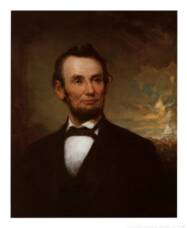
Abraham Lincoln (1809 – 1865)

– ” The History of the Government of the United States (Vol 1)” – Jacob Patton
– ” The History of the Government of the United States (Vol 2)” – Jacob Patton
– ” The Presidents of the United States” – Edward Ellis
– ” Art in America” – S G W Benjamin
– ” A History of American Art (Vol 1)” – Sadakichi Hartmann
– ” A History of American Art (Vol 2)” – Sadakichi Hartmann
– ” The Indian Races of North America” – Joel Headly
– ” The North American Indians (Vol 1)” – George Catlin
– ” The North American Indians (Vol 2)” – George Catlin
– ” The Systems of the United States and the British Empire” – Arthur Poley

Franklin D Roosevelt ( 1882 – 1945)

– ” The Systems of the United States and the British Empire” – Arthur Poley
– ” The Destiny of Britain & America” – William Mackendrick
– ” The Great Depression (1929 – 1933)” – Library of Congress
– ” World War 2 – A Concise History” – Roger Shugg
– ” World War 2 – The War against Japan” – Library of Congress
– ” World War 2 – The War against Germany and Italy” – Library of Congress
– ” The Korean War” – Library of Congress

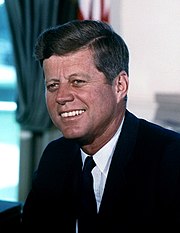
John Fitzgerald Kennedy (1917 – 1963)

– ” The Story of Anglo American Nuclear Cooperation” – Library of Congress
– ” The Cuban Missile Crisis” – Kurt Wiersma
– ” The Bay of Pigs Invasion (1961)” – Library of Congress
– ” The Vietnam War” – Library of Congress
– ” The 9.11 Commission Report” – Library of Congress
– ” The War with Iraq” – Library of Congress
– ” US – UK Relations in the 21st Century” – Library of Congress

… and many more!

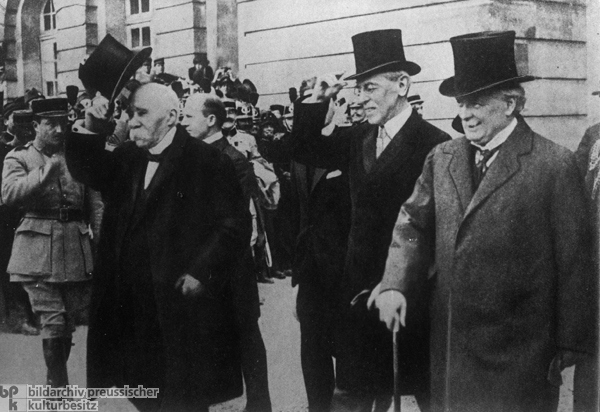
Representatives of the victorious powers in 1919. American President Woodrow Wilson (1856-1924), and British Prime Minister David Lloyd George (1863-1945).along with French Prime Minister Georges Clemenceau (1841-1929) (far left).
Section 2 : Video (computer use only)

26 hours of fascinating presentations featuring the history and development of the Anglo-American World Power

Section 3: Audio (mp3 – computer use)

2 hours of audio extracts from news reports, speeches and other items of interest.

Section 4 : Pictures

Over 50 full colour (jpeg) high quality images featuring the history, geography and the modern influence of the Anglo-American World Power.

Video Presentation

“Anglo America on the Brink – The Cuban Missile Crisis (1962)”

A vast resource of fascinating multimedia material to assist your study and research
regarding this final and intriguing World Power of Bible history: Anglo-America.

$32 (+$8 Shipping – Worldwide)

“The World Powers of Bible History Collection”


All Seven Volumes

– Egypt
– Assyria
– Babylon
– Medo Persia
– Greece
– Rome
– Anglo America (2025 Edition)

350 Major Reference Works (PDF), Hours of Video & Audio Presentations and Hundreds of Pictures to make your
Personal Study of Bible Prophecy come alive!

Only $80 (US) (+$10 shipping : Worldwide)

(A saving of $144 compared with purchasing each DVD  separately)

To Return to Main Index